
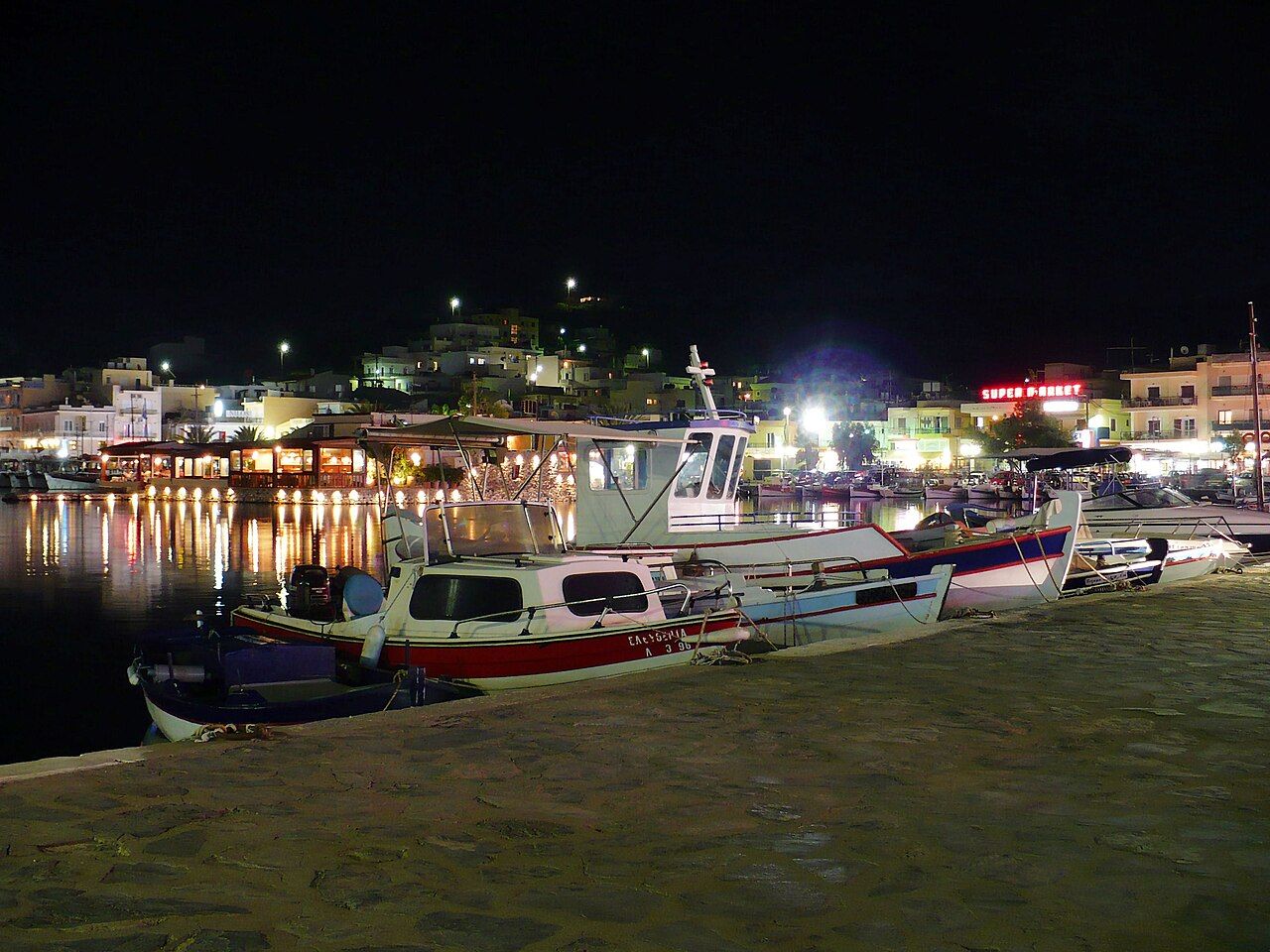
Elounda changes a great deal through the year. In summer it is a busy resort with boats crowding the harbour and every table taken in the evening. In winter it is a quiet fishing and farming village where many buildings are shuttered and the main traffic is olive trucks. The best time to come depends on what you want: warm sea, wild flowers, festivals, walking or simply peace.
This guide runs through the seasons, with notes on weather, what is open and what each time of year is good for. Exact dates for openings, boats and buses vary every year.
Spring: flowers and Easter
Spring arrives early in Crete. By March the hills are green, and from late March into May the island is covered in wild flowers: anemones, poppies, irises, orchids and flowering herbs. Almond trees blossom in late winter, and the olive groves fill with yellow and white. It is the best season for walking, with mild temperatures, long days and clear air.
The sea is still cool in spring, and many people find it too cold for long swims before late May. Days can be warm and sunny, but evenings are cool and there can be rain, especially in March and April, so bring layers and a light waterproof.
Easter
Greek Orthodox Easter is the biggest festival of the year, and its date moves, often falling on a different Sunday from Easter in the west. The week before is solemn, with church services each evening and processions on Good Friday. Late on Saturday night, people gather at churches with candles; at midnight the light is passed from candle to candle, bells ring and fireworks go off. On Sunday families roast lamb and celebrate with long meals.
Visitors are welcome at services, with respectful dress and behaviour. Many businesses close for some of the Easter days, and buses and ferries run reduced services, so plan ahead.
Early summer
May and June are many people's favourite months. The weather is warm and settled, the sea warms through, and the island is green in May and turning gold by late June. Resorts are open and boats run to Spinalonga, but the crowds of high summer have not yet arrived. Days are long, and evenings are pleasant for eating outside. The walks in the guide to the Richtis gorge are especially good at this time of year.
High summer: heat and the meltemi
July and August are hot, dry and busy. Temperatures regularly climb well into the thirties, rain is rare and the sun is fierce. This is peak season for families, with the most boats, the most visitors and the highest demand for rooms and tables. The sea is warm and mostly calm inside the sheltered gulf.
Summer weather is shaped by the meltemi, a dry north wind that blows across the Aegean, often for several days at a time. It brings welcome relief from the heat and keeps the air clear, but it can whip up the sea on exposed coasts, unsettle small boat trips and blow sand across beaches. On still days in between, the heat can be intense.
- Plan outdoor sightseeing for early morning or late afternoon.
- Rest in the shade through the middle of the day, as local people do.
- Drink water steadily, wear a wide hat and use strong sun cream.
- Be careful with sun on the water, which burns faster than you expect.
Mid-August brings the feast of the Dormition of the Virgin on the fifteenth, one of the main religious holidays of the year. Many villages hold festivals around this time, with music, dancing and food. It is also when Greeks themselves take holidays, so the island is at its busiest.
Autumn: the warm sea
September and October are excellent months. The sea is at its warmest after the long summer, the heat eases, and the crowds thin, especially after the middle of September. The light softens, the evenings are mild, and the meltemi usually dies away. Grapes are harvested in late summer and early autumn, and raki stills start working later in the season.
The first autumn rains often arrive in October or November, sometimes as heavy storms. After them the hills turn green again. Many hotels and other businesses begin closing from late October, and boat trips and bus services are reduced as the season ends. The guide to Cretan food covers what is on the table at this time of year.
Winter: quiet and closed
From November to March Elounda is very quiet. Many places close for the season, and those that stay open mostly serve local people. Days are often sunny and mild, but there is rain, cold winds and the occasional storm. Snow falls on the higher mountains, and the Lasithi Plateau can be cold and sometimes cut off for a while.
Winter is a season of farming. The olive harvest runs through the colder months, with nets under the trees and mills working long hours; the guide to olive groves and herbs tells that story. For visitors who want quiet, walking and a sense of everyday Cretan life, it can be rewarding, as long as you accept that many tourist services will not be running.
What is open when
| Season | Weather | What to expect |
|---|---|---|
| March to May | Mild, flowers, some rain | Places reopening; sea cool |
| June | Warm and settled | Most things open; fewer crowds |
| July and August | Hot, dry, windy spells | Busiest; plan ahead, start early |
| September and October | Warm, sea at its warmest | Quieter later; services reduce |
| November to February | Mild to cool, rain | Many places closed; village life |
Opening months for museums, archaeological sites, boats and buses vary each year. At the edges of the season, a back-up plan helps.
Lent to this page by
Photographs: ArtemiyPavlov / CC-BY-SA-3.0; Florian Waßmann / CC-BY-3.0; Vadim Indeikin / CC-BY-SA-3.0; Ggia / CC-BY-SA-3.0; Tomisti / CC-BY-SA-4.0


